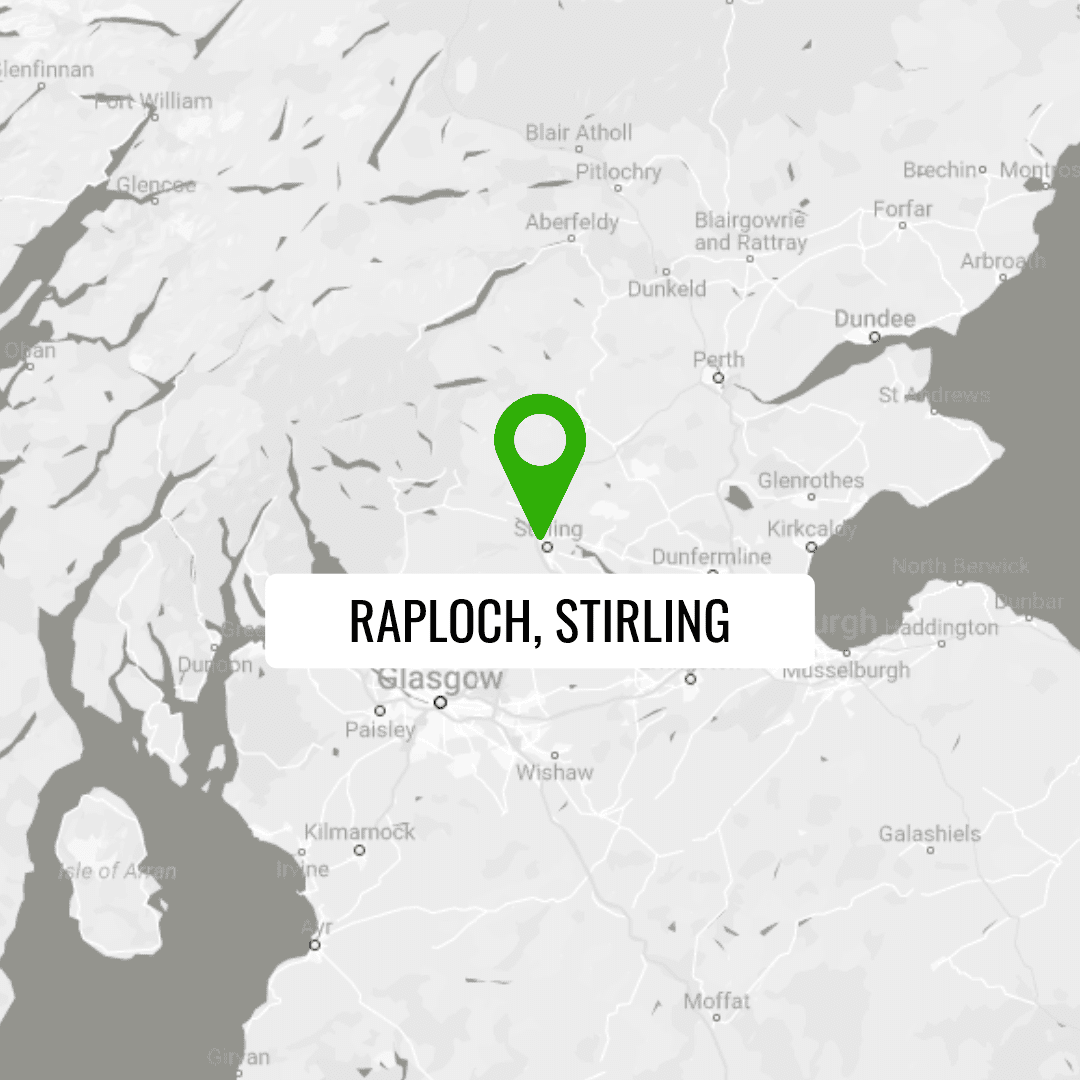
Working with Stirling Council and Inner Forth Futures to make the greenspace along Glendevon Drive more climate resilient and turn it into a more welcoming park space for the local community.
Project Introduction:
MAKING MORE OF GREENSPACE
Glendevon Drive was shortlisted as a suitable greenspace for improvement works that will support the delivery of the Climate FORTH project (Furthering Our Resilience Through Heritage) by Inner Forth Futures (IFF).
As an IFF delivery partner, working also on behalf of the Stirling Council, we engaged with the local community to gather their opinions on a proposed set of interventions for the area. These nature-based solutions aim to mitigate the effects of heavy rainfall and enhance climate adaptation and resilience.
This project will deliver multiple social and environmental outcomes, including enhanced biodiversity, increased urban canopy cover and creation of accessible, quality greenspace at the Glendevon Drive neighbourhood.
URBAN Greenspace
Habitat & Biodiversity
Woodland & Forestry
Project Progress
The designs for the project area have now been finalised, incorporating the latest feedback from the local community.
Contractors began the on-the-ground work in late March 2026 to transform the green space.
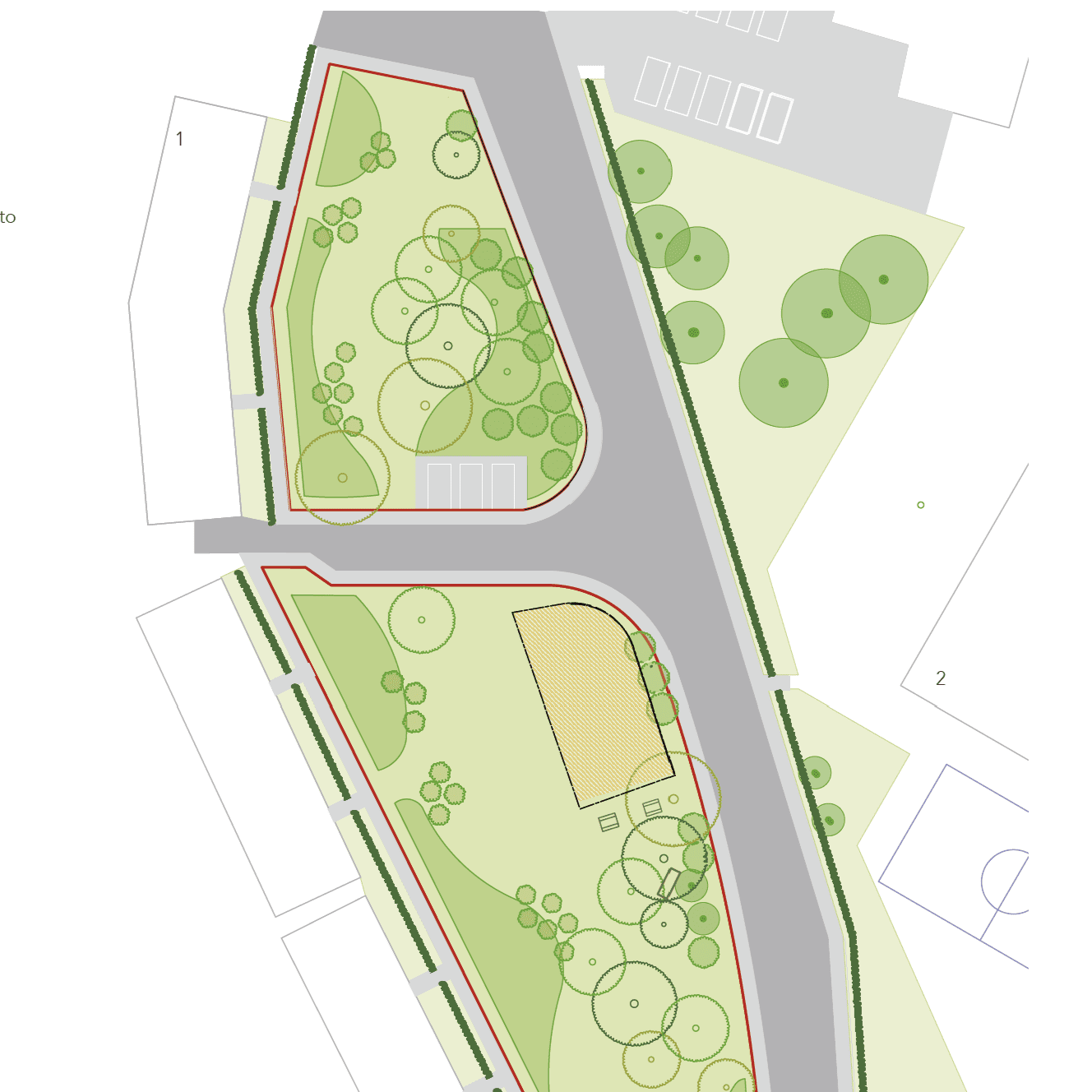
Click to view the initial plans
Community Engagement
We asked the local community for their views on the proposals at Glendevon Drive.
As well as increasing the long-term climate resilience of the space, the proposals aimed to offer more value to the local community and create seasonal interest. They include:
Shaded areas of seating, with the provision of new specimen trees and picnic benches, to create better places to enjoy the greenspace during hot summer periods.
Delivering health and wellbeing benefits to the local community through planting, by mitigating the negative impacts of air pollution, with trees able to absorb carbon dioxide and areas of meadow grass able to store and capture carbon.
New elements that also provide important habitat for native invertebrates and other wildlife, with studies showing levels of invertebrates up to 25 times higher within meadow grass as opposed to amenity grass.
Areas of low-maintenance meadow grass that offer further ways to become more resilient to a changing climate with their ability to withstand drought and reduce flood risk and soil erosion.
Tree planting to provide biodiversity improvements for the area and create a space to enjoy and relax in, whilst providing an environmental buffer from nearby roads.
The addition of many native species of wildflowers and trees offers educational value to visitors to learn more about the variety of native plants included in the area.