Live project
A multi-phase project focused on developing climate-resilient, biodiverse and accessible woodlands that benefit nature, the local community and visitors.
Project overview
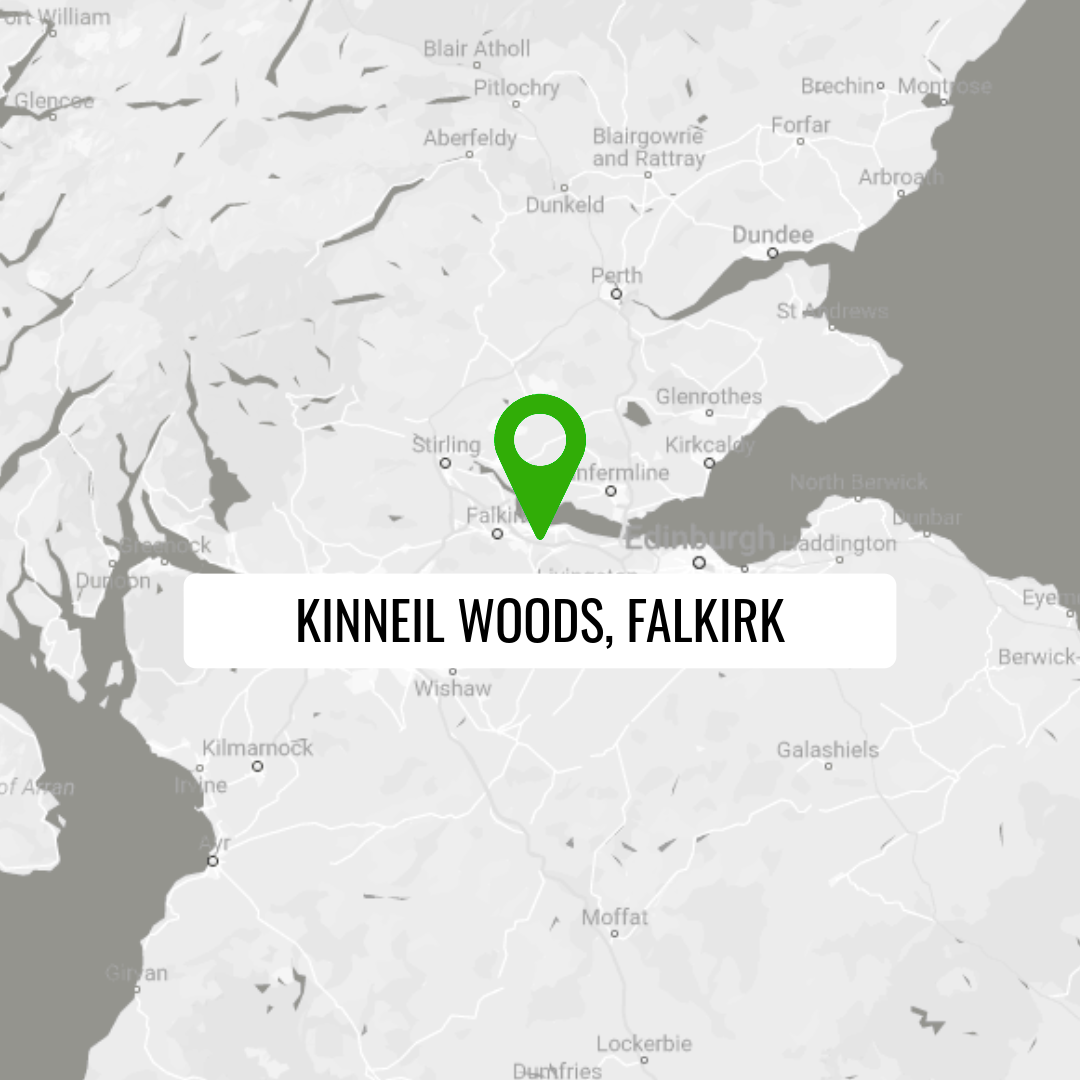
Green Action Trust has been working with Falkirk Council since 2025 to implement a long-term woodland management programme at Kinneil Woods, near Bo’ness. This initiative is part of the wider Kinneil Estate Masterplan 2026-2036 created by the Council in partnership with local stakeholders.
The project aims to address the over-mature, primarily non-native part of the woodland. These trees are now increasingly vulnerable to wind and storm damage, posing potential risks to visitors and nearby infrastructure. While this will involve significant, temporary landscape changes, these efforts are key to creating a safer, more climate-resilient forest for future generations.
Alongside controlled tree felling and mixed species replanting, this project will deliver upgraded walking paths, new seating areas and improved signage to allow more people to enjoy this unique historical greenspace.
The plans for Kinneil Woods have been shaped by feedback gathered over the last year through public consultations involving local heritage and community-interest groups, as well as residents.
Following this engagement, the decision was made to deliver the forestry work in two phases over a period of 10 years to minimise disruption. The first phase started in mid-November and will continue throughout winter 2026/27, while path improvement works are planned for 2027/28.
Aims & objectives

Transition to mixed and native woodland to promote thriving ecosystems and enhanced habitats.

Phased restructuring and replanting programme to create a biodiverse and climate resilient future forest.

Providing safer, more accessible routes with improved wayfinding, signage and seating.
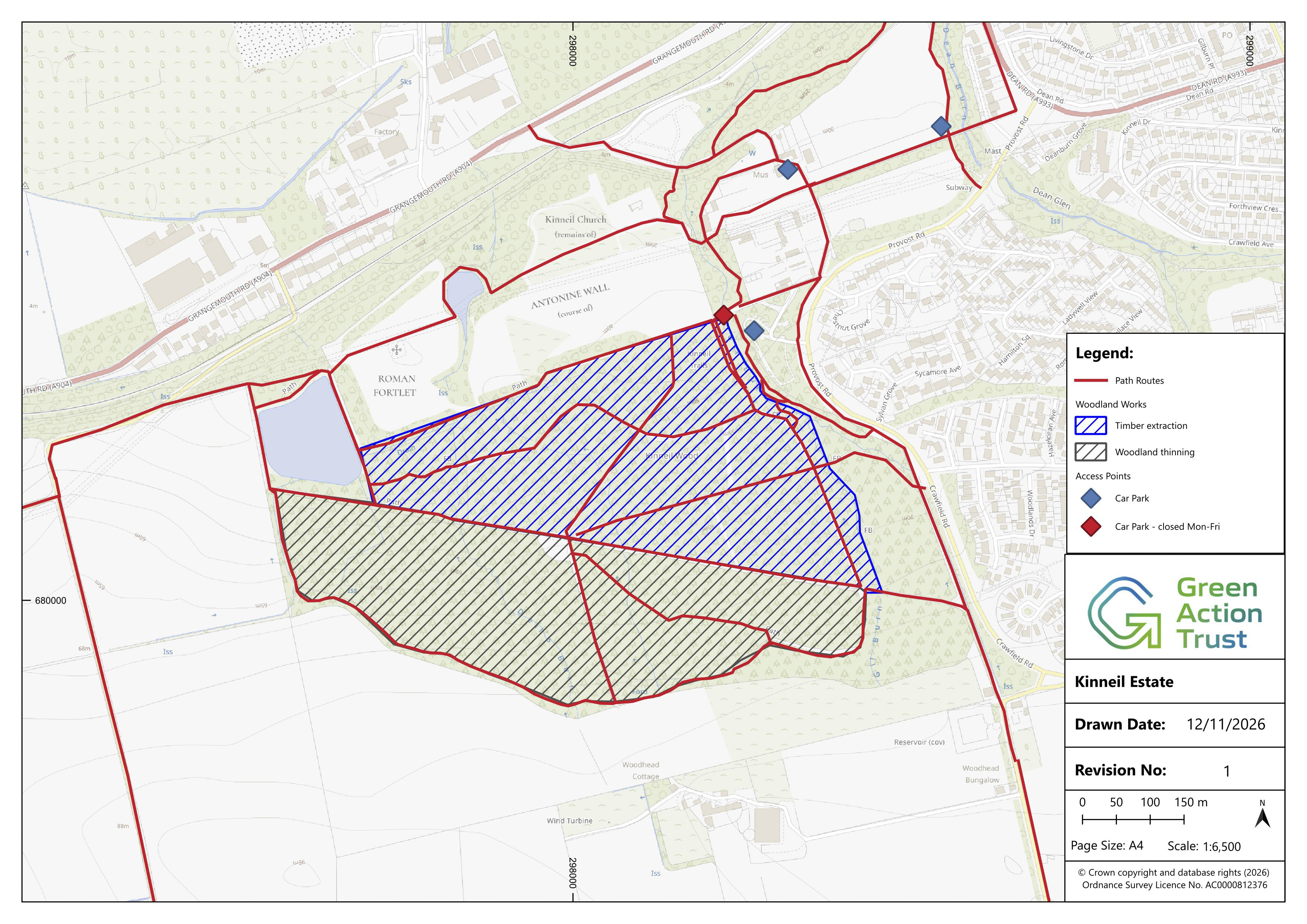
The site works have begun the w/c 16th November 2026 with the construction of a temporary vehicle turning area and compound near the entrance from the southern car park. Timber harvesting is expected to start in late November or early December.
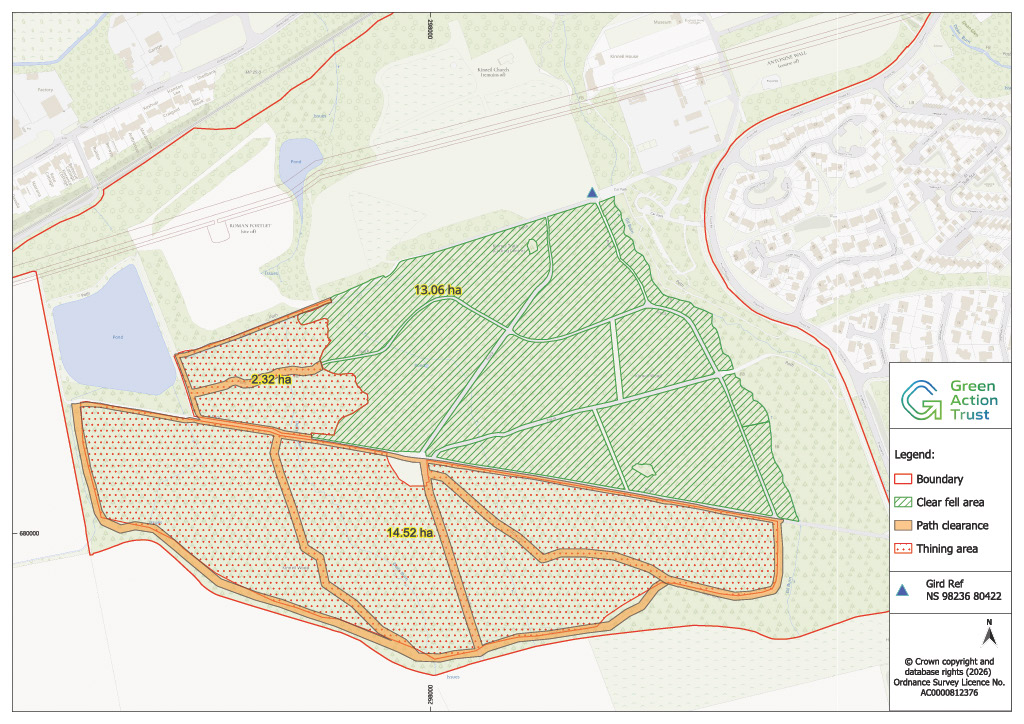
This phase will focus on removing a large part of the ageing, vulnerable conifer plantation and replanting it with a more diverse mix of tree species. To ensure public safety, access to some areas of the woodland will be temporarily restricted while machinery is operating.
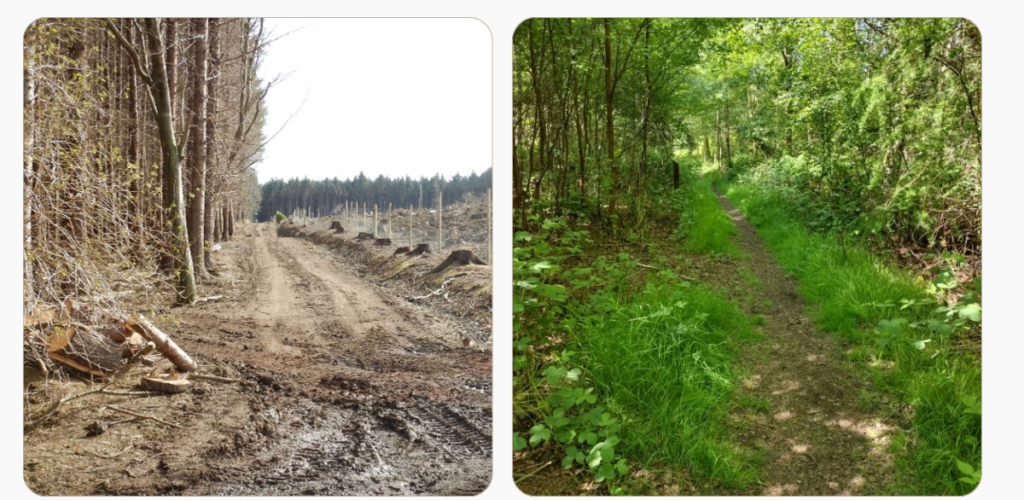
The long-term vision for the woodlands has moved away from production-focused conifer trees to creating a more welcoming, resilient and biodiverse woodland for nature and people to enjoy. This approach, along with the need to manage risks from overmature trees that are susceptible to storm damage, has led to the implementation of a sustainable, phased woodland management plan. Without this intervention, the condition of the Kinneil forest will continue to decline.
Photos show the previous felling carried out in 2014/2015, where conifer trees were felled and the areas re-planted with native broadleaved species. This woodland has grown impressively well, and there are now plans to thin out the trees, remove fencing and widen pathways to make it more accessible to all.
Click on the button below to see the details of the planned woodland management works.
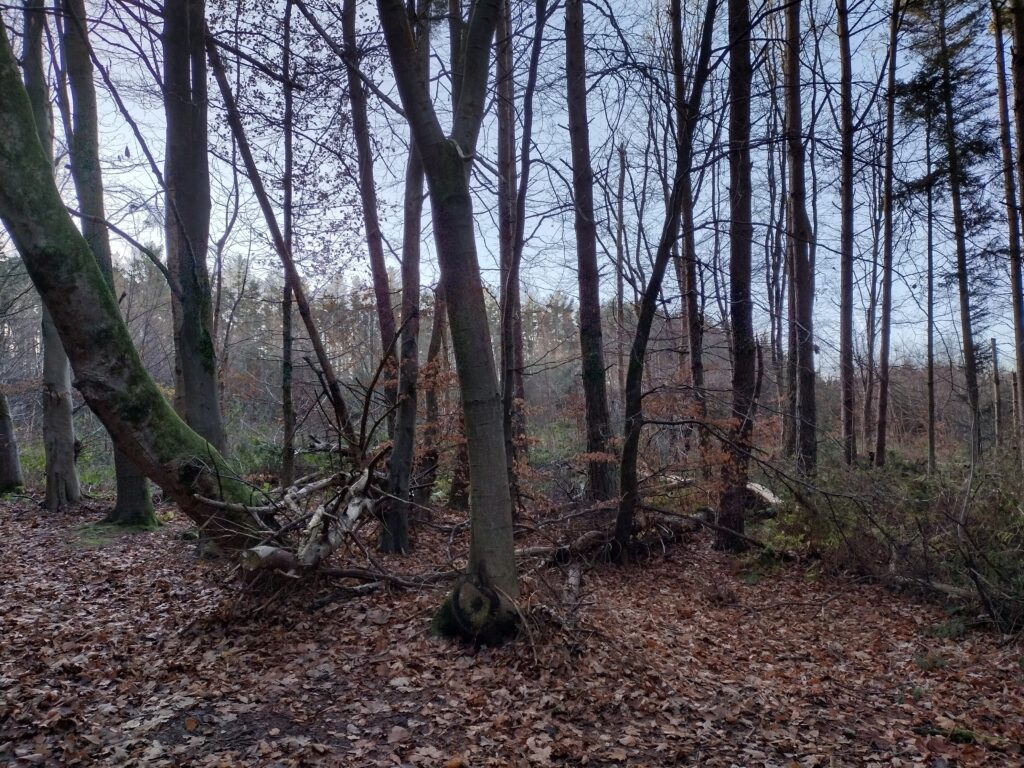
Kinneil Woods forms part of the historic Kinneil Estate, dating back to the 16th century, and is one of Bo’ness’s most valued greenspaces. With the John Muir Way and National Cycle Network passing through the site, it is a popular destination for recreation, active travel and connecting with nature.
The woodland has a long history of timber production, with harvesting recorded since at least the 18th century. Successive periods of felling and replanting, including works associated with the designed landscape in the 1700s up to major fellings before and after WW2 (after the Estate’s acquisition by Bo’ness Town Council in 1922) have shaped today’s woodland.
More recent management has focused on thinning, native tree planting and improving woodland resilience through removal of the ageing non-native plantation.


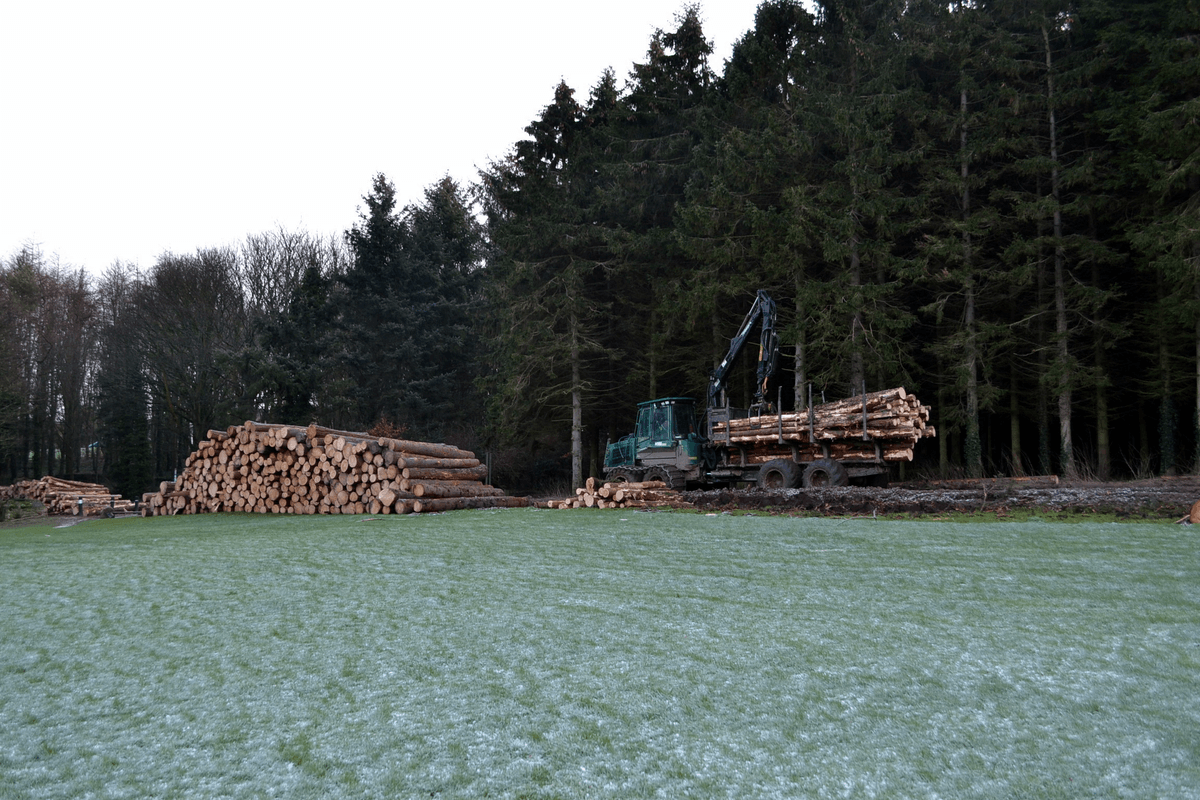
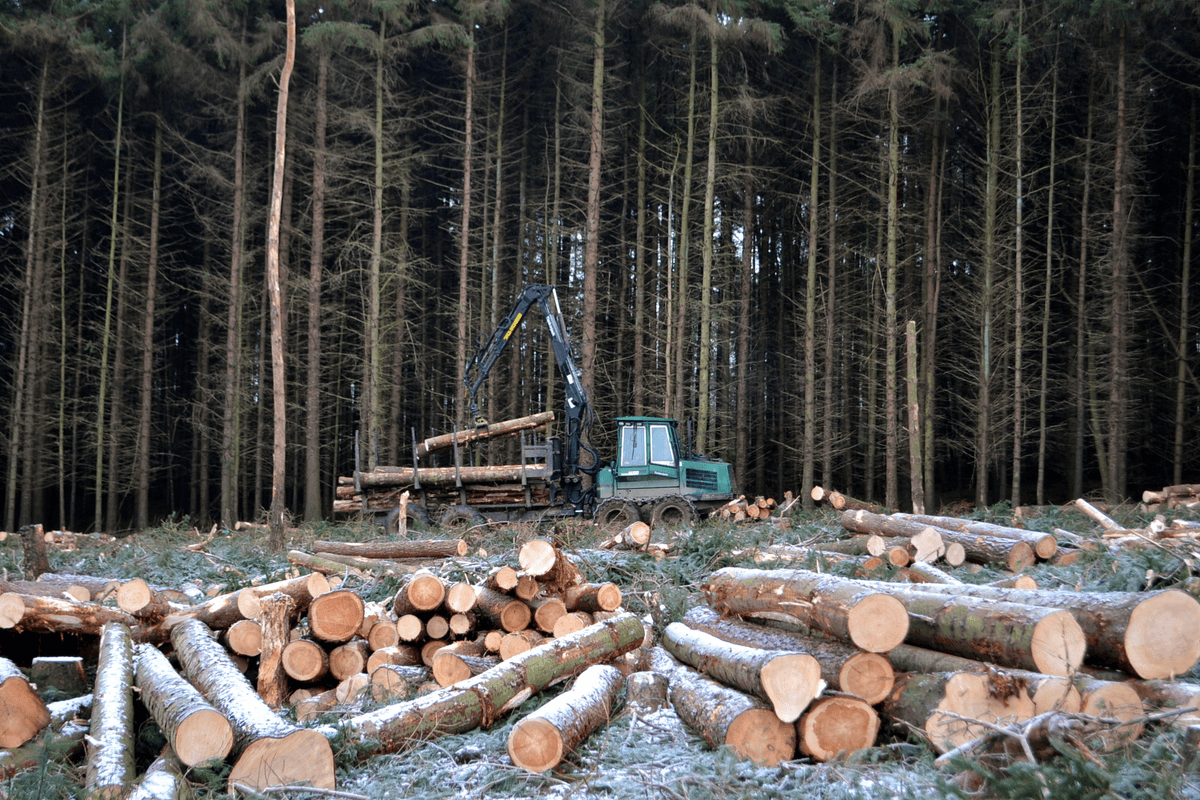
The selected over-mature conifer trees within the central part of Kinneil Estate will be carefully removed (felled) and safely stacked on site before being taken away. This will be done in stages to limit the landscape changes following the feedback we received during the public consultation stage.
At times, the car park and paths will need to be closed to ensure public safety. On-site signage will be used to show alternative path routes.
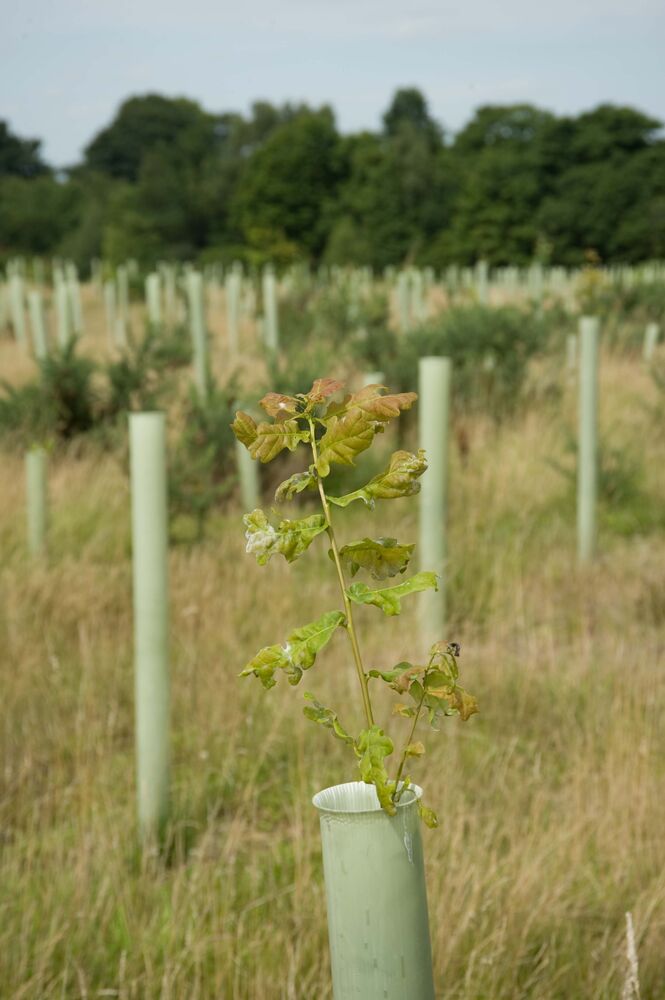
A mix of tree species will be planted, with a focus on native broadleaved species and those that will suit the site into the future. These trees will be looked after for 5 years to makes sure they grow well and begin establishing a more natural woodland.
Some trees will be in plastic tree tubes but most will be behind large areas of fencing. This is to allow the trees to grow, otherwise they will be grazed by deer. Gates will be incorporated to allow walkers and cyclists to keep using existing path routes.
Once the woodland work is complete, a range of path works will commence to help improve public access to the site.
A variety of path surfaces and widths will be added to reflect different areas of the woodland and how people use them. Where appropriate, steps will be installed in the Southern part of the woodland. New picnic areas will be created, benches added, and improved signage installed.
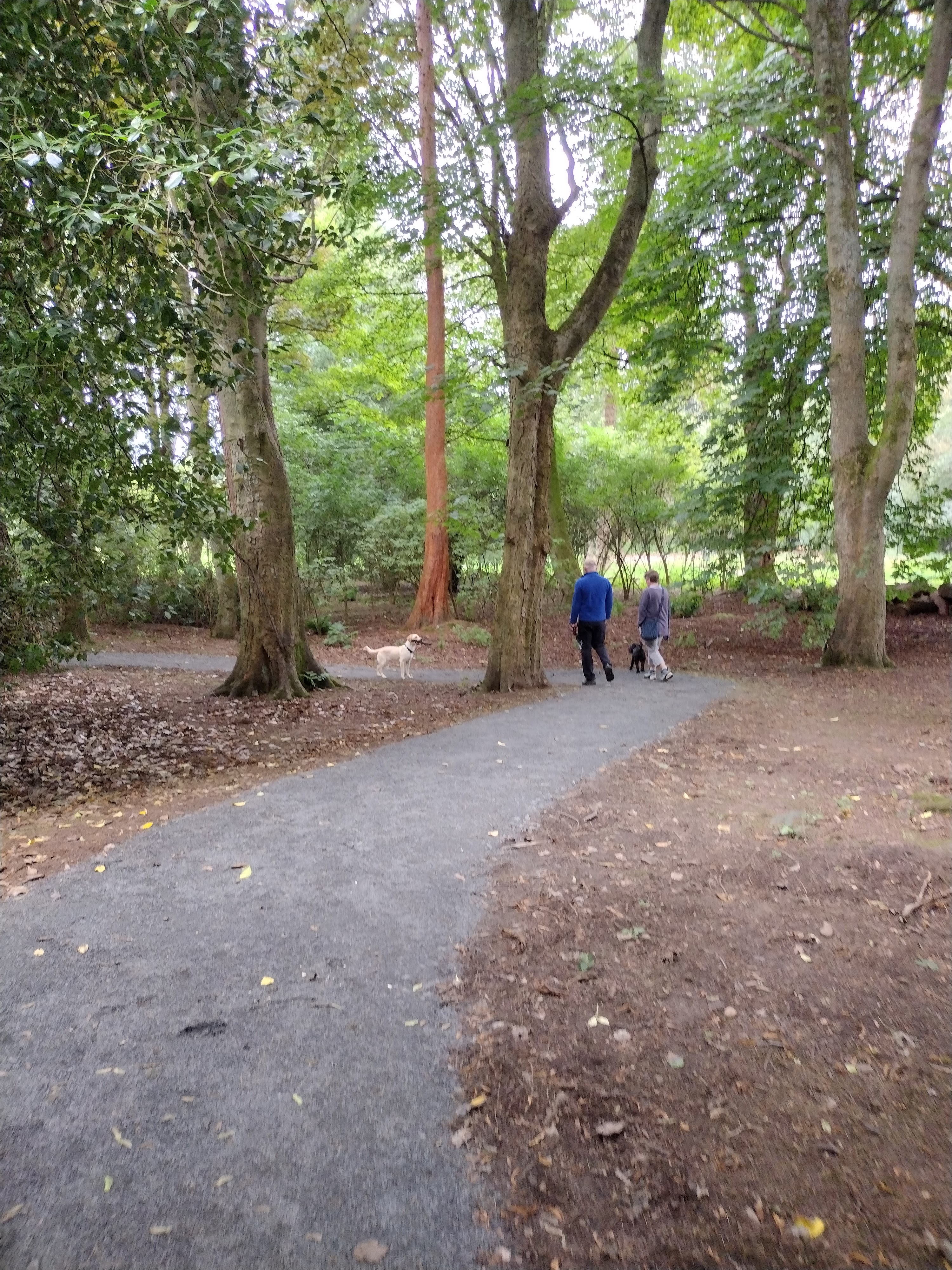
Some areas of the woodland and the car park will need to be closed temporarily while felling operations are underway to ensure public safety. Residents and visitors will be advised of any restrictions through on-site signage and project updates on this page.
For your safety, please stick to the routes outlined by our trusted contractors and stay away from machinery and timber piles.
See access map here.
This project will be funded through a combination of Scottish Forestry’s ‘Woods in and Around Towns’ (WIAT) Grant Scheme, along with revenue generated from selling timber and contributions from nearby housing development. Additional funding streams are being developed. Falkirk Council has also pledged financial support from its Pride and Place funding and Core Parks budgets.
Detailed ecological surveys have been undertaken to identify protected species and sensitive habitats on the site, with advice from NatureScot and other external agencies such as Historic Environment Scotland. All works will be delivered in accordance with environmental best practice and with nature in mind. Once the new trees mature, they will provide a much better habitat for local forest wildlife, supporting long-term biodiversity gains.
In areas with high deer populations, they can overgraze and severely damage young trees. This leads to the deformation of saplings and prevents the natural regeneration of the forest. Roe deer are present at Kinneil and without protection would damage newly planted trees by grazing them. The creation of fences will reduce the need for plastic tree tubes across the whole site. Tree tubes can cause pollution and affect the form of tree growth. They will eventually need to be removed and cannot always be recycled. Maintaining access for people is a key consideration, so gates will be installed on existing path routes into the gated areas to enable walking and cycling through the woods. There will be tree tubes in areas where fencing isn’t suitable, such as around the ha-ha and the burns.
The project team is working closely with Historic Environment Scotland and other stakeholders, including the local volunteer-led charity Friends of Kinneil, throughout the project planning process. Important heritage features, including the UNESCO-designated Antonine Wall and historic landscape elements within the Estate, will be protected during construction works.
If you have further questions or concerns, please contact the Green Action Trust, and a member of the Kinneil project team will get back to you.